

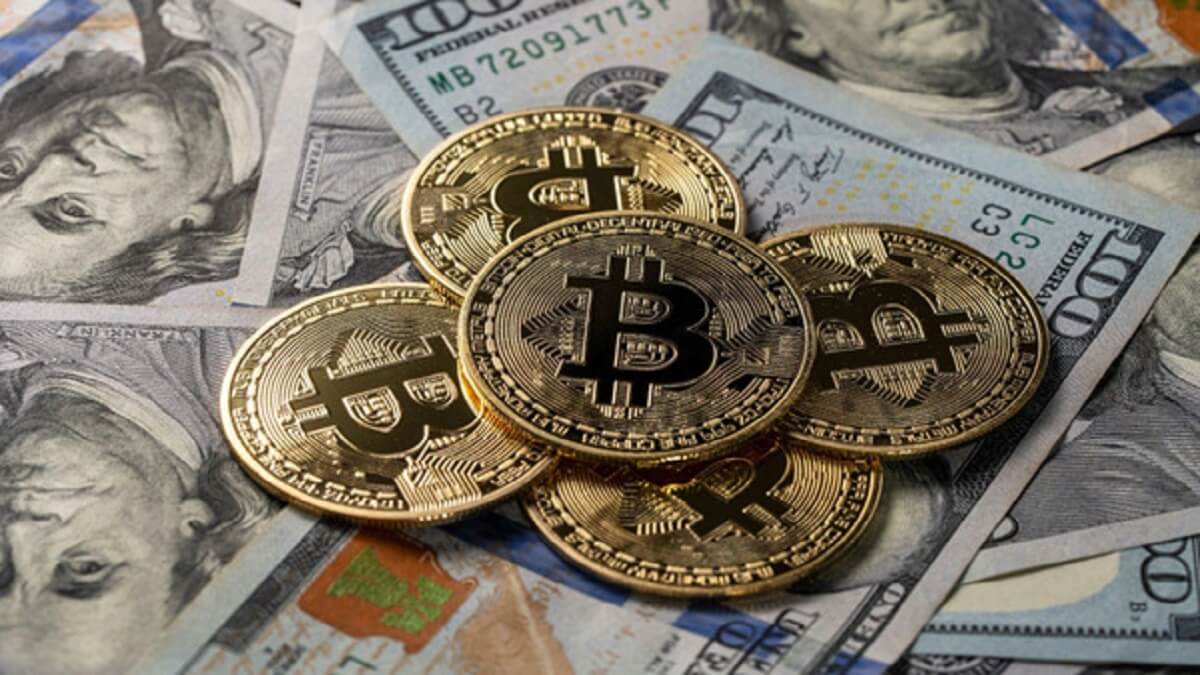
Introduction: A Financial Renaissance in the Digital Age
Cryptocurrency has evolved from a fringe fascination into a force that is actively challenging the foundations of modern finance. What began with the quiet publication of a white paper in 2008 by the pseudonymous Satoshi Nakamoto has since mushroomed into a global phenomenon—powering billion-dollar ecosystems, sparking intense regulatory debates, and captivating investors from Wall Street to rural sub-Saharan Africa.
But beyond the buzzwords and market hype, what truly defines cryptocurrency? Is it a technological marvel, an ideological experiment, a volatile asset class—or perhaps all three? To understand its place in the modern world, we must explore its origins, mechanisms, real-world implications, and the questions that still linger around its future.
What Is Cryptocurrency? A Digital Asset with Decentralized DNA
At its essence, cryptocurrency is a form of digital or virtual currency that uses cryptographic techniques to secure transactions. Unlike traditional currencies issued by central banks, cryptocurrencies are decentralized and operate on blockchain technology—a distributed ledger system that records transactions across a network of computers.
Core characteristics include:
-
Decentralization: Most cryptocurrencies are not controlled by any single authority, offering an alternative to centralized financial systems.
-
Transparency: Every transaction is recorded on a public ledger, enabling full visibility and traceability.
-
Immutability: Once confirmed, transactions cannot be altered, ensuring a high level of security and trust.
-
Limited Supply: Many cryptocurrencies have a predefined maximum supply (e.g., Bitcoin’s 21 million cap), potentially acting as a hedge against inflation.
A Brief History: From Obscurity to Global Disruption
The journey began in January 2009, when the first block of the Bitcoin blockchain was mined. For years, Bitcoin was dismissed as a digital novelty, used mainly by tech enthusiasts and libertarians. However, as its price began to climb, so did public interest. By 2017, a wave of new cryptocurrencies—often referred to as altcoins—flooded the market. Ethereum introduced smart contracts, enabling decentralized applications. Other projects experimented with privacy (Monero, Zcash), speed (Litecoin, Ripple), and scalability (Polkadot, Solana).
Fast forward to the 2020s, and the crypto world now boasts a dynamic mix of coins, tokens, decentralized finance (DeFi) protocols, non-fungible tokens (NFTs), and even virtual economies in the metaverse. Cryptocurrency has transitioned from digital curiosity to a key player in financial innovation.
Use Cases: Utility Beyond Speculation
Though often viewed through the lens of trading and speculation, cryptocurrencies offer practical applications across various sectors.
1. Peer-to-Peer Payments and Remittances
Cryptocurrencies eliminate the need for intermediaries in money transfers, making international payments faster and cheaper—especially beneficial in underbanked regions.
-
Low fees compared to traditional wire services
-
Instant settlement across borders
-
No need for a bank account
2. Decentralized Finance (DeFi)
DeFi platforms allow users to lend, borrow, and earn interest on crypto assets without relying on banks or brokers. These systems are powered by smart contracts on blockchain networks.
-
Greater financial inclusion
-
Transparent lending protocols
-
User custody of assets
3. Digital Identity and Authentication
Blockchain-backed cryptocurrencies can support secure digital identity systems, allowing users to manage and verify credentials without relying on centralized databases.
-
Improved privacy controls
-
Resistance to fraud
-
Portable digital identities
4. Supply Chain Transparency
Tokens and blockchain records can trace goods from origin to consumer, ensuring authenticity, ethical sourcing, and timely delivery in industries like food, fashion, and pharmaceuticals.
Challenges and Criticisms: A Complex Landscape
Despite its promise, cryptocurrency is far from a flawless innovation. Its rapid growth has brought a cascade of challenges and criticisms that continue to provoke debate among policymakers, technologists, and the public.
Volatility and Speculation
Crypto markets are notoriously volatile. While this has attracted speculative investors, it undermines cryptocurrencies’ use as stable mediums of exchange.
-
Wild price swings
-
Market manipulation concerns
-
Investor risk and misinformation
Regulatory Uncertainty
Governments are still grappling with how to regulate cryptocurrencies. Some have embraced them; others have issued outright bans or imposed heavy restrictions.
-
Lack of standardized global regulation
-
Taxation ambiguity
-
Legal status of digital assets
Environmental Impact
Bitcoin’s proof-of-work mining process consumes immense amounts of energy, prompting criticism over its environmental footprint.
-
Calls for greener consensus mechanisms
-
Shift toward proof-of-stake (e.g., Ethereum 2.0)
-
Sustainability pressures from institutional investors
The Human Element: Inclusion and Empowerment
Perhaps one of cryptocurrency’s most profound impacts lies in its potential to democratize access to financial tools. In regions where banking infrastructure is lacking or oppressive regimes restrict capital flow, cryptocurrencies provide a lifeline.
-
Financial autonomy for individuals in unstable economies
-
Access to global markets without permission
-
Protection against currency devaluation
This narrative of empowerment continues to inspire a generation of developers, activists, and entrepreneurs who see crypto as a tool for reshaping systems of control and inequality.
The Road Ahead: Innovation or Integration?
Where does cryptocurrency go from here? The most likely trajectory is not wholesale replacement of traditional finance but integration and coexistence. Central banks are already exploring digital currencies (CBDCs), and institutions like Visa and PayPal now support crypto transactions.
Future trends to watch include:
-
Tokenization of real-world assets (stocks, real estate, art)
-
Mainstream adoption of stablecoins
-
Greater interoperability between blockchains
-
Stronger consumer protections and regulation
As the technology matures, we may see crypto quietly underpin everything from microtransactions in games to automated real estate transactions and decentralized governance models.
Conclusion: A Disruption in Motion
Cryptocurrency is more than a financial trend; it is a philosophical and technological movement that questions the very architecture of money and trust. It has introduced a new way to think about ownership, value, and participation in the global economy.
While the journey is fraught with risks, contradictions, and growing pains, one thing is clear: the conversation around cryptocurrency is no longer theoretical. It is unfolding in real time, shaping the contours of our economic future. Those who understand its nuances, embrace its principles, and engage with it thoughtfully will be best positioned in this new era of digital finance.
