

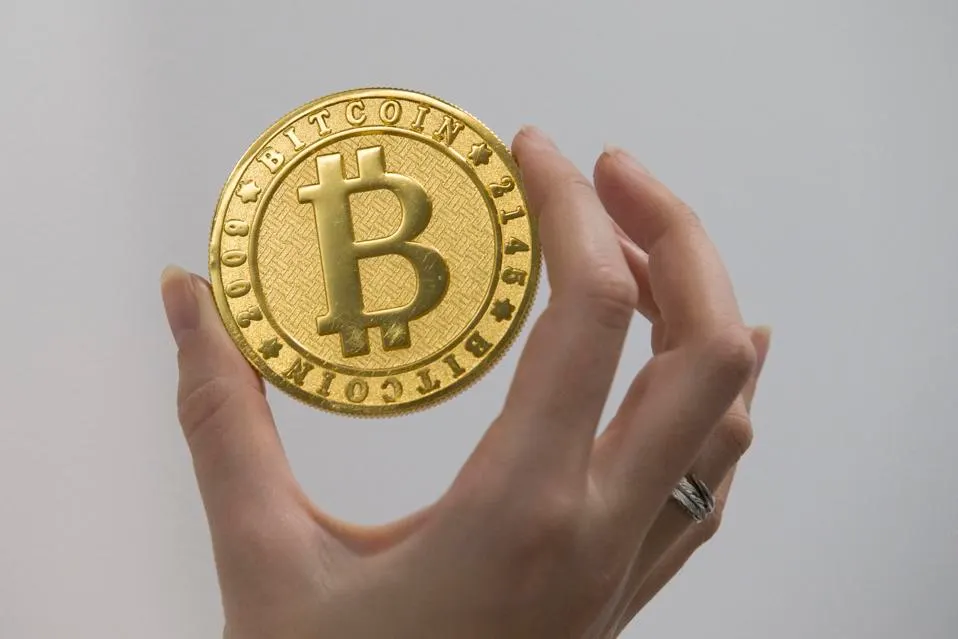
Introduction: The Dawn of a Monetary Revolution
Once the preserve of cryptographers and cyberpunks, Bitcoin has matured into an economic force that is impossible to ignore. Born from the ashes of the 2008 global financial crisis, this decentralized digital currency has sparked debates in boardrooms, parliament halls, and kitchen tables alike. Some hail it as the future of money — a safeguard against monetary mismanagement — while others dismiss it as a bubble doomed to burst. Regardless of where one stands, Bitcoin’s rise has undeniably reshaped how we think about wealth, trust, and the very fabric of financial systems.
The Birth of Bitcoin: An Answer to a Broken System
In October 2008, under the pseudonym Satoshi Nakamoto, a still-anonymous figure released the Bitcoin white paper — a nine-page manifesto detailing how digital transactions could occur without the oversight of banks or governments. It was a radical proposition: a trustless, peer-to-peer system using blockchain technology to record transactions transparently and immutably.
At its core, Bitcoin is not just a currency but a statement — a rejection of opaque institutions that manipulate supply and devalue wealth through inflationary policies. By capping its supply at 21 million coins, Bitcoin mirrors the scarcity of precious metals like gold, anchoring its value in mathematical certainty rather than the whims of central bankers.
The Ascent: From Obscurity to Global Phenomenon
Bitcoin’s early years were the stuff of digital folklore. In 2010, a programmer famously paid 10,000 BTC for two pizzas — a transaction now immortalized as “Bitcoin Pizza Day.” What was once worth about $40 would now be valued in the hundreds of millions. Such anecdotes illustrate the unpredictable journey Bitcoin has taken: from a geeky experiment traded on obscure forums to an asset class that major banks and hedge funds now track alongside stocks and bonds.
Today, Bitcoin is accepted by a growing number of merchants and payment processors worldwide. Nations such as El Salvador have even adopted it as legal tender — a historic milestone that signals how seriously some governments are taking its potential to democratize finance.
Why Bitcoin Captivates Minds and Wallets Alike
Bitcoin’s appeal rests on several pillars that distinguish it from traditional fiat currencies and even other digital assets.
1. Decentralization and Sovereignty
Unlike bank accounts that can be frozen or seized, Bitcoin exists on a decentralized network that no single government or entity controls. Owners alone hold their private keys — the cryptographic strings granting access to their funds. This sovereignty appeals deeply to those living under unstable regimes or restrictive monetary controls.
2. Finite Supply
Bitcoin’s hard cap ensures it cannot be inflated away. In a world where central banks print trillions at the tap of a button, this digital scarcity has become a compelling hedge for those fearing fiat currency devaluation.
3. Transparency and Security
Each Bitcoin transaction is recorded on a public ledger visible to anyone with an internet connection. This radical transparency, combined with robust encryption and network consensus, makes Bitcoin nearly impossible to counterfeit or manipulate.
4. Portability and Accessibility
Bitcoin can be sent across the globe in minutes, regardless of borders or banking hours. For millions in underbanked regions, this opens doors to financial participation that traditional institutions have long barred shut.
The Criticisms: A Double-Edged Sword
Despite its virtues, Bitcoin is not without flaws or controversies. Thoughtful observers rightly point out several challenges that the digital currency must reckon with if it hopes to mature into a mainstream financial instrument.
Energy Consumption
One of the most frequent criticisms targets Bitcoin’s proof-of-work mining mechanism. Securing the blockchain demands immense computational power, leading to comparisons with the energy use of entire nations. Proponents argue that much of this energy comes from renewable sources, but the environmental impact remains a topic of heated debate.
Price Volatility
Bitcoin’s value can swing wildly within days, or even hours. While this attracts traders and speculators, it raises questions about its viability as a stable medium of exchange. A currency that can lose or gain 20% overnight challenges everyday use for salaries or payments.
Regulatory Uncertainty
Governments worldwide are still grappling with how to classify and regulate Bitcoin. Crackdowns, tax implications, and fears of misuse for illicit activities cast long shadows over the asset’s future. Clearer, more balanced regulation will be essential for Bitcoin’s broader adoption.
Institutional Adoption: A Turning Point
Despite its critics, Bitcoin has won powerful allies in recent years. Wall Street giants, hedge funds, and corporate treasuries have begun adding Bitcoin to their portfolios as a hedge against inflation and a potential store of value. Payment platforms like PayPal and Square now enable millions to buy, hold, and spend Bitcoin alongside dollars and euros.
Such institutional adoption has done much to legitimize Bitcoin in the eyes of the mainstream investor. What once seemed like a passing fad is increasingly treated as a prudent diversification strategy in the modern portfolio.
Bitcoin’s Future: What Lies Ahead?
Predicting Bitcoin’s future is a fool’s errand, yet it invites endless speculation. Several paths may unfold in the coming years:
-
Digital Gold Thesis: Bitcoin may entrench itself further as a long-term store of value, akin to gold but more portable and divisible.
-
Medium of Exchange: Technological advancements, such as the Lightning Network, may eventually make Bitcoin practical for everyday transactions by reducing fees and increasing speed.
-
Regulated Integration: Nations may craft clearer laws, balancing consumer protection with the freedom that makes Bitcoin so compelling.
-
Innovation Beyond Bitcoin: Whether Bitcoin holds its crown or yields ground to newer blockchain technologies, it has irrevocably changed how we think about trust, money, and financial freedom.
Conclusion: A Symbol of Financial Evolution
Bitcoin is more than just a currency or investment vehicle — it is a symbol of a world seeking alternatives to the financial status quo. For some, it is a lifeline; for others, a speculative gamble. Yet few can deny its cultural and economic imprint on the 21st century.
As the digital age barrels forward, Bitcoin stands at the crossroads of technology and human aspiration — a reminder that our definitions of money and wealth are neither fixed nor immutable. They evolve, just as society does, and sometimes all it takes is a line of code and a radical idea to rewrite the rules for everyone.
