

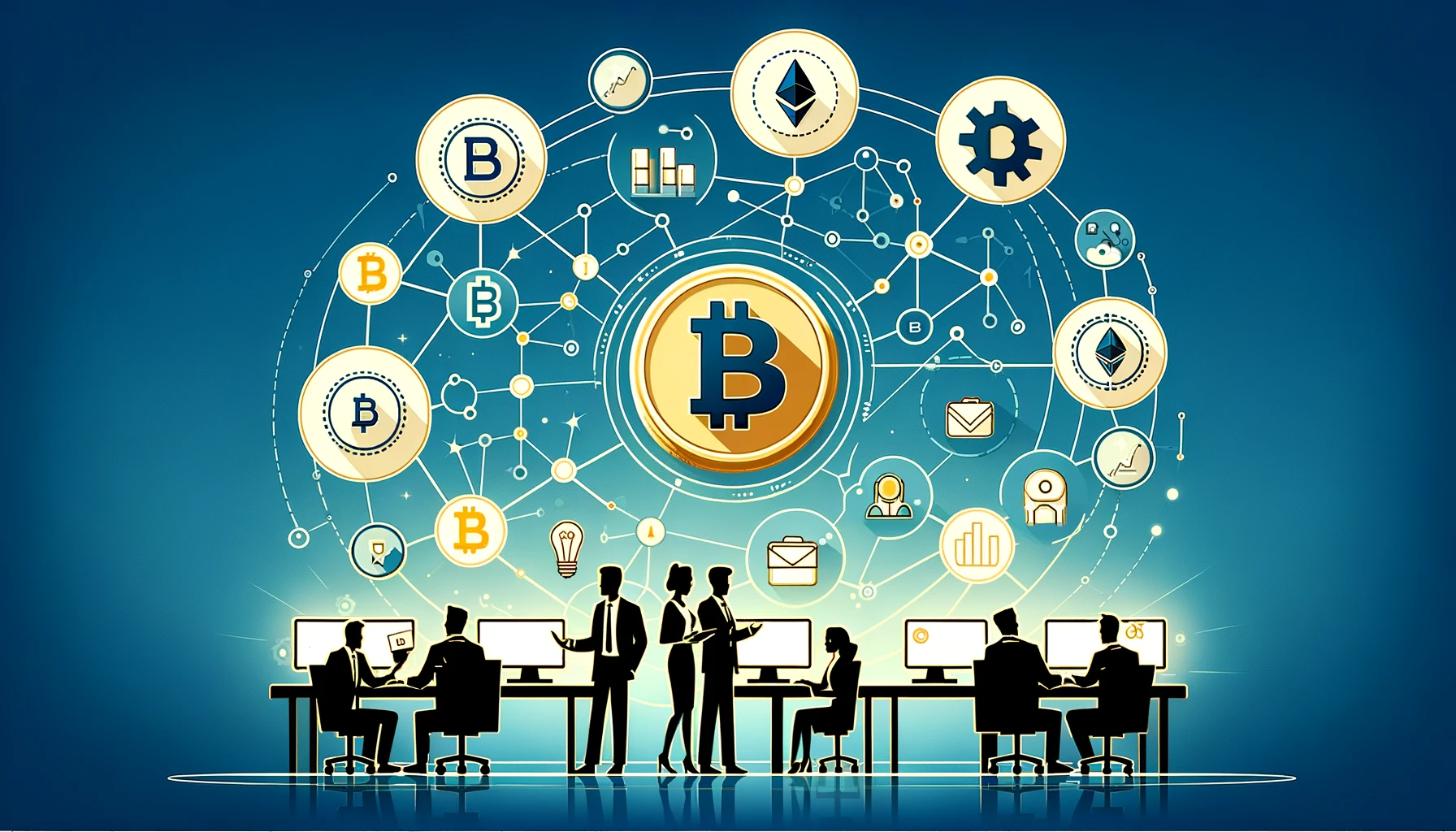
The rise of decentralized finance has fundamentally transformed the digital asset landscape, shifting the industry from a speculative trading playground into a complex, self-sustaining financial economy. For years, the cryptocurrency world relied heavily on centralized intermediaries such as brokers, custodians, and legacy exchanges to facilitate transactions. Decentralized finance protocols eliminated these middlemen entirely by utilizing automated smart contracts running on public blockchains. This architectural shift opened global financial services to anyone with an internet connection, redefining how capital moves, grows, and interacts across digital networks.
The Shift From Centralized Intermediaries to Trustless Code
Traditional financial systems rely on institutional trust, requiring human managers, legal frameworks, and physical institutions to clear transactions. Decentralized finance replaces this traditional institutional trust with cryptographic verification and autonomous code execution.
-
Smart contracts act as self-executing agreements that enforce rules automatically without human intervention.
-
Public blockchains ensure that every transaction is permanently recorded and open for public auditing by anyone in the world.
-
Users retain absolute custody of their private keys and digital assets throughout every transaction lifecycle, eliminating counterparty risk.
This elimination of centralized gatekeepers democratizes access, ensuring that financial tools operate impartially based on mathematical rules rather than corporate discretion.
Automated Market Makers and Permissionless Liquidity
One of the most profound innovations brought by decentralized finance is the automated market maker model. Traditional exchanges rely on centralized order books where buyers and sellers match prices in real time. Automated protocols replace order books with liquidity pools funded directly by everyday participants.
-
Liquidity providers deposit pairs of digital tokens into smart contracts, enabling instant asset swapping without a traditional counterparty.
-
Pricing algorithms adjust token values automatically based on the ratio of assets remaining inside the liquidity pool.
-
Participants who supply capital earn a proportional share of the transaction fees generated by the protocol.
This permissionless model allows newly created tokens to achieve instant market liquidity without requiring approval from centralized exchange listing committees.
Programmable Borrowing and Lending Markets
Decentralized lending protocols have created global money markets that operate entirely without credit checks, bank loans officers, or traditional bureaucratic approvals. Anyone can access liquidity or earn yield instantly by interacting with smart contracts.
-
Over-Collateralization: To mitigate default risks in a trustless environment, borrowers must lock up digital assets worth more than the total loan value.
-
Yield Generation: Depositors supply assets to lending pools and earn variable interest rates paid directly by borrowers in real time.
-
Instant Liquidation: If the value of a borrower collateral drops below safe thresholds, automated bots liquidate the position instantly to protect the protocol.
This transparent credit architecture provides seamless capital efficiency for digital asset holders across global markets.
The Rise of Decentralized Autonomous Organizations
The governance structure of decentralized finance protocols represents a radical departure from traditional corporate management. Instead of relying on a board of directors or executive leadership, these protocols are managed through decentralized autonomous organizations.
-
Token-Based Voting: Holders of protocol governance tokens vote directly on software upgrades, fee adjustments, and treasury allocations.
-
Global Participation: Contributors from around the world can propose and vote on initiatives without geographic restrictions.
-
Transparent Execution: Approved governance proposals trigger automated code changes on the blockchain, ensuring total operational accountability.
This community-driven model aligns the incentives of users, developers, and investors much closer than traditional corporate structures ever could.
Interoperability and Financial Composability
Often described as money legos, decentralized finance protocols are designed to be fully composable and interoperable. This means different applications can integrate, stack, and build upon one another seamlessly within the same blockchain environment.
-
A user can deposit collateral into a lending protocol, take a stablecoin loan, and invest those funds into a yield-farming pool within seconds.
-
Developers can build entirely new financial applications by combining existing protocols without writing financial infrastructure from scratch.
-
This high degree of integration accelerates financial innovation at a pace that legacy banking systems cannot match.
Composability creates a powerful network effect where every new protocol added to the ecosystem enhances the utility of the entire decentralized web.
Frequently Asked Questions
What are smart contracts and how do they execute code without human intervention?
Smart contracts are immutable software programs stored on a blockchain that execute automatically when predetermined conditions are met. Because they run directly on decentralized validator nodes, no single party can alter or stop the code once it is deployed.
What is impermanent loss in decentralized liquidity pools?
Impermanent loss occurs when the price ratio of tokens you deposited into a liquidity pool changes significantly compared to when you first added them. If the divergence is large enough, the total value of your assets withdrawn from the pool can be less than if you had simply held the tokens in your wallet.
Are decentralized finance protocols completely immune to hacking and exploits?
Decentralized finance protocols are not immune to security threats. Because smart contracts are written by humans, coding errors or logic flaws can be exploited by malicious actors to drain funds from liquidity pools, making rigorous third-party security audits essential.
How do stablecoins power the decentralized finance economy?
Stablecoins pegged to traditional fiat currencies provide a vital medium of exchange and store of value within decentralized finance. They allow users to engage in lending, borrowing, and trading without being exposed to the high price volatility of native tokens like Bitcoin or Ethereum.
Can governments shut down decentralized finance protocols?
True decentralized finance protocols are difficult for governments to shut down because they run on distributed, censorship-resistant blockchain networks without a central corporate headquarters or physical server location. However, governments can regulate the user interfaces and fiat on-ramps connecting traditional banking to these networks.
What is yield farming and how does it generate returns?
Yield farming involves locking up digital assets in various decentralized finance protocols to earn rewards, which typically consist of additional protocol governance tokens and a share of transaction fees. Users move capital strategically between different pools to maximize their overall percentage return.
