

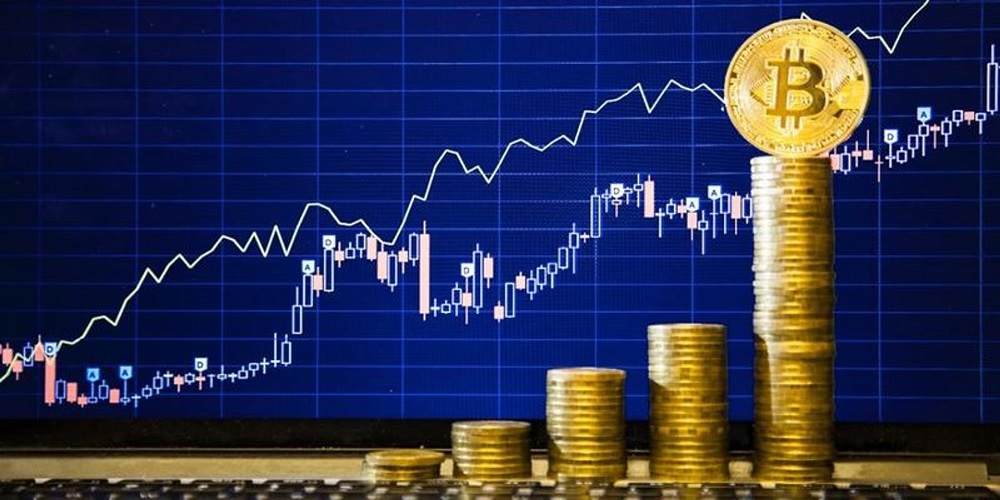
Introduction: The Rise of a Digital Trading Frontier
In the last decade, cryptocurrency trading has transformed from a niche curiosity into a global financial force. What began as a speculative endeavor in the shadowy corners of the internet has now become a high-stakes marketplace commanding the attention of retail investors, institutional giants, and sovereign regulators alike.
Crypto trading is not merely a new form of investment; it is a redefinition of value exchange, financial autonomy, and technological innovation. As with any frontier, the opportunities are vast—but so are the risks. Mastering this domain requires more than luck or enthusiasm. It demands strategic thinking, emotional discipline, and an understanding of the mechanics that underpin this volatile yet captivating market.
Understanding Crypto Trading: A World Apart from Traditional Markets
Cryptocurrency trading involves the buying, selling, or exchanging of digital currencies through various online platforms known as crypto exchanges. Unlike the traditional stock market, crypto markets operate 24/7, driven by global sentiment and decentralized networks.
Key Distinctions from Traditional Trading:
-
Decentralization: Most cryptocurrencies are not issued by central authorities, which leads to unpredictable price behavior influenced by community activity, news, and technological developments.
-
Volatility: Crypto assets can experience dramatic price swings within minutes—both an opportunity and a hazard for traders.
-
Diverse Instruments: Beyond spot trading (buying and selling actual assets), traders can engage in derivatives, futures, perpetual contracts, and decentralized finance (DeFi) mechanisms.
-
Tokenomics: Each cryptocurrency has its own set of rules regarding supply, issuance, and governance, which significantly impact its market performance.
Core Strategies: Approaches to Trade with Precision
Successful crypto trading is not the result of random speculation but of deliberate strategy. While styles vary according to temperament and risk appetite, several foundational approaches dominate the landscape.
1. Day Trading
-
Involves buying and selling assets within a single day.
-
Relies heavily on technical analysis, charts, and real-time market sentiment.
-
Requires constant attention and quick decision-making.
2. Swing Trading
-
Positions are held for days or weeks, capitalizing on short- to medium-term trends.
-
A blend of technical and fundamental analysis is typically used.
-
Offers a more relaxed pace than day trading but still demands vigilance.
3. Scalping
-
Focuses on making small profits from minute price movements.
-
Traders execute dozens, sometimes hundreds, of trades per day.
-
High stress and high risk, often automated with bots.
4. HODLing (Buy and Hold)
-
A long-term strategy based on faith in the asset’s future value.
-
Less technical, more philosophical—favored by those who see cryptocurrencies as revolutionary rather than merely profitable.
5. Arbitrage
-
Exploits price discrepancies across different exchanges.
-
Demands rapid execution and access to multiple trading platforms.
-
Often used by advanced traders or algorithms due to speed requirements.
Risk Management: The Soul of Sustainable Trading
In crypto trading, profits may come and go, but risk is a constant companion. Professional traders understand that managing downside is far more critical than chasing upside.
Key Risk Principles:
-
Position Sizing: Never risk more than a small percentage of your capital on a single trade.
-
Stop Losses and Take Profits: Automated tools that close your position when a preset price is hit, protecting against emotional decision-making.
-
Diversification: Avoid putting all funds into a single asset or trade.
-
Leverage Caution: While leveraged trading can magnify gains, it can also amplify losses at an alarming pace. Use sparingly and with clarity.
Tools of the Trade: Building a Technical Arsenal
Modern crypto traders rely on a blend of tools to navigate the volatile terrain with insight and foresight.
Commonly Used Tools:
-
Charting Platforms: Tools like TradingView provide advanced indicators, trendlines, and pattern recognition.
-
News Aggregators: Staying updated with real-time crypto news can alert traders to impactful developments.
-
On-Chain Analysis: Platforms like Glassnode or CryptoQuant offer insights into blockchain data—such as wallet movements, miner behavior, and exchange inflows.
-
Bots and Automation: For seasoned traders, automated bots can execute strategies with speed and precision beyond human capability.
Psychological Discipline: Mastering the Inner Game
The biggest threat to a trader is not the market, but often their own emotions. Greed, fear, impatience, and overconfidence have ruined many promising portfolios.
Traits of a Disciplined Trader:
-
Emotional Control: Staying calm during market surges or crashes prevents irrational decisions.
-
Patience: Not every market movement needs to be traded.
-
Humility: Knowing when to cut losses and reassess without ego.
-
Adaptability: Strategies must evolve with changing market conditions.
The most successful traders treat the market not as an enemy to be conquered, but as a dynamic partner to be understood and respected.
Regulatory Landscape: Shifting Sands of Compliance
Cryptocurrency remains in a gray area legally, with different jurisdictions adopting varied approaches. From strict bans to enthusiastic adoption, regulation is an evolving factor that can significantly impact market sentiment.
-
Know Your Customer (KYC) and Anti-Money Laundering (AML) policies are becoming standard across major exchanges.
-
Taxation: Increasingly, governments are requiring traders to report crypto gains.
-
SEC and ETF Involvement: The introduction of crypto ETFs and institutional products is drawing regulatory scrutiny but also legitimacy.
Being aware of regulatory shifts is critical, especially for those dealing in large volumes or cross-border trades.
Conclusion: Charting a Thoughtful Path in a Chaotic Market
Crypto trading is more than a financial activity—it is a test of intellect, emotional resilience, and adaptability in a digital age. It offers a realm where the rewards are as grand as the risks, and where fortunes are made not merely through boldness but through wisdom.
For those willing to study its intricacies, respect its volatility, and commit to disciplined practice, crypto trading holds the potential for not just profit, but profound insight into the future of money and markets. Like any worthwhile pursuit, it rewards those who approach it not with haste, but with intention, patience, and an ever-curious mind.
